SEPTEMBER 2017
UNIT 1: INTERACTION
VOCABULARY
Bones | Huesos | Brain | Cerebro | Neurons | Neuronas |
Skin | Piel | Muscles | Músculos | Skeleton | Esqueleto |
Taste buds | Papilas gustativas | Joints | Articulaciones | Spinal cord | Médula espinal |
Nerves | Nervios | Nostrils | Fosa nasal | Tongue | Lengua |
Cells | Células | Tissue | Tejido | Skull | Cráneo |
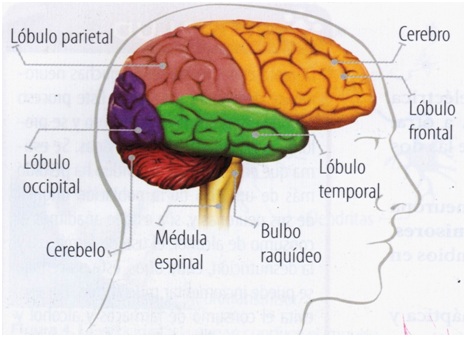
Cerebrum | Cerebro | Cerebellum | Cerebelo | Brain stem | Bulbo raquideo |
Reflex actions | Actos reflejos | Peripheral nervous system | Sistema nervioso periférico | Axon | Axón, neurita |
Dendrites | Dendrita | Sight | Vista | Pupil | Pupila |
Lens | Lente | Blind spot | Punto ciego | Auditory canal | Canal auditivo |
Outer ear | Oído externo | Middle ear | Oido medio | Eardrum | Tímpano |
Coochlea | Caracol | Inner ear | Oido interno | Taste | Gusto |
Flat bones | Huesos planos | Cartilage | Cartílago | Fixed joints | Articulaciones fijas |


The human skeleton consists of 206 bones. We are actually born with more bones (about 300), but many fuse together as a child grows up. These bones support your body and allow you to move. Bones contain a lot of calcium (an element found in milk, broccoli, and other foods). Bones manufacture blood cells and store important minerals.
The longest bone in our bodies is the femur (thigh bone). The smallest bone is the stirrup bone inside the ear. Each hand has 26 bones in it. Your nose and ears are not made of bone; they are made of cartilage, a flexible substance that is not as hard as bone.
Joints: Bones are connected to other bones at joints. There are many different types of joints, including: fixed joints (such as in the skull, which consists of many bones), hinged joints (such as in the fingers and toes), and ball-and-socket joints (such as the shoulders and hips).
Differences in males and females: Males and females have slightly different skeletons, including a different elbow angle. Males have slightly thicker and longer legs and arms; females have a wider pelvis and a larger space within the pelvis, through which babies travel when they are born.


UNIT 2 - NUTRITION

Artery | Arteria | Waste | Desecho |
Lung | Pulmón | Chew | Masticar |
Kidney | Riñón | Bolus | Bolo |
Bladder | Vejiga | Windpipe | Tráquea |
Diaphragm | Diafragma | Gastric juices | Jugos gástricos |
Small intestine | Intestino delgado | Red blood cells | Glóbulos rojos |
Large intestine | Intestino grueso | White blood cells | Glóbulos blancos |
Pore | Poros | Platelets | Plaquetas |
Trachea | Tráquea | Atria | Aurícula |
Salivary glands | Glándulas salivares | Ventricles | Ventrículos |
Oesophagus | Esófago | Bronchi | Bronquios |
Liver | Hígado | Bronchioles | Bronquiolos |
Alveoli | Alveolos | Get rid of | Deshacerse de |
Sweat glands | Glándulas sudoríparas (sudor) | Ureters | Uréteres |
Urethra | Uretra | Cool down | Enfriar |

THE DIGESTIVE SYSTEM
THE CIRCULATORY SYSTEM
THE RESPIRATORY SYSTEM
THE EXCRETORY SYSTEM


ResponderEliminarNATURAL SCIENCE
SEPTEMBER 2017
UNIT 1: INTERACTION
VOCABULARY
Bones
Huesos
Brain
Cerebro
Neurons
Neuronas
Skin
Piel
Muscles
Músculos
Skeleton
Esqueleto
Taste buds
Papilas gustativas
Joints
Articulaciones
Spinal cord
Médula espinal
Nerves
Nervios
Nostrils
Fosa nasal
Tongue
Lengua
Cells
Células
Tissue
Tejido
Skull
Cráneo
Cerebrum
Cerebro
Cerebellum
Cerebelo
Brain stem
Bulbo raquideo
Reflex actions
Actos reflejos
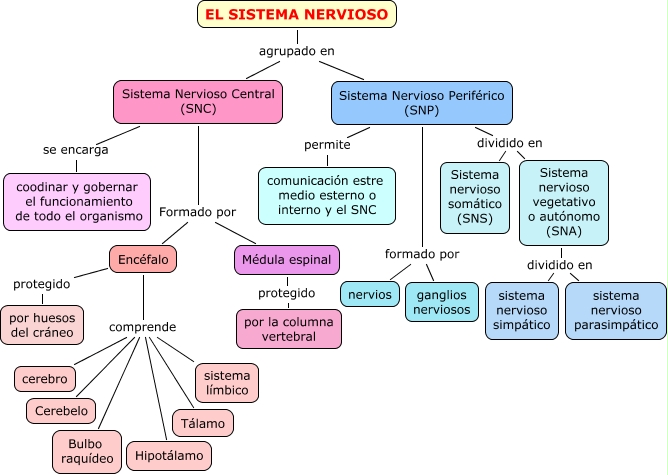
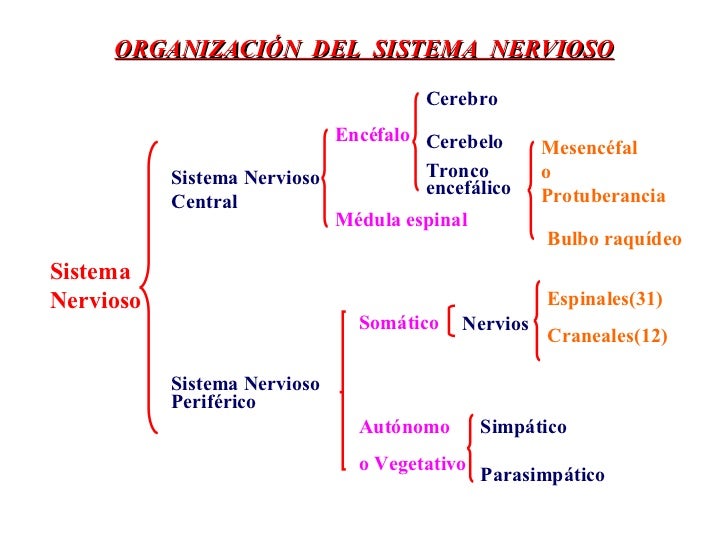
Peripheral nervous system
Sistema nervioso periférico
Axon
Axón, neurita
Dendrites
Dendrita
Sight
Vista
Pupil
Pupila
Lens
Lente
Blind spot
Punto ciego
Auditory canal
Canal auditivo
Outer ear
Oído externo
Middle ear
Oido medio
Eardrum
Tímpano
Coochlea
Caracol
Inner ear
Oido interno
Taste
Gusto
Flat bones
Huesos planos
Cartilage
Cartílago
Fixed joints
Articulaciones fijas
The human skeleton consists of 206 bones. We are actually born with more bones (about 300), but many fuse together as a child grows up. These bones support your body and allow you to move. Bones contain a lot of calcium (an element found in milk, broccoli, and other foods). Bones manufacture blood cells and store important minerals.
The longest bone in our bodies is the femur (thigh bone). The smallest bone is the stirrup bone inside the ear. Each hand has 26 bones in it. Your nose and ears are not made of bone; they are made of cartilage, a flexible substance that is not as hard as bone.
Joints: Bones are connected to other bones at joints. There are many different types of joints, including: fixed joints (such as in the skull, which consists of many bones), hinged joints (such as in the fingers and toes), and ball-and-socket joints (such as the shoulders and hips).
Differences in males and females: Males and females have slightly different skeletons, including a different elbow angle. Males have slightly thicker and longer legs and arms; females have a wider pelvis and a larger space within the pelvis, through which babies travel when they are born.
https://mjmas.files.wordpress.com/2013/06/sistema-nervioso-central.jpg?w=640
http://ayudasjomagoes.weebly.com/uploads/1/6/6/5/16652058/_4817370_orig.jpg
http://cuadrocomparativo.org/wp-content/uploads/2016/03/nerviososss.cmap_-1.jpeg
https://image.slidesharecdn.com/19mayosnperiferico-110423013201-phpapp02/95/sistema-nervioso-periferico-2-728.jpg?cb=1303522812
UNIT 2 - NUTRITION
https://4.bp.blogspot.com/-FiSX5IEoQtE/VGM4Ob2-exI/AAAAAAAATJs/sXbKmHQKtvY/s1600/NUTRICI%C3%93N.jpg
THE DIGESTIVE SYSTEM
THE CIRCULATORY SYSTEM
THE RESPIRATORY SYSTEM
THE EXCRETORY SYSTEM
https://luisamariaarias.files.wordpress.com/2012/01/las-funciones-vitales.jpg
Enviar por correo electrónico
Escribe un blog
Compartir con Twitter
Compartir con Facebook
Compartir en Pinterest
No hay comentarios:
Publicar un comentario
Página principal
Suscribirse a: Entradas (Atom)
profe eloisa eres la mejor del mundo de parte de anthony
ResponderEliminarya e visto el video anthony
ResponderEliminarHE visto los vídeos de naturales
ResponderEliminarDe Sumaia